

Sensemaking in the storm
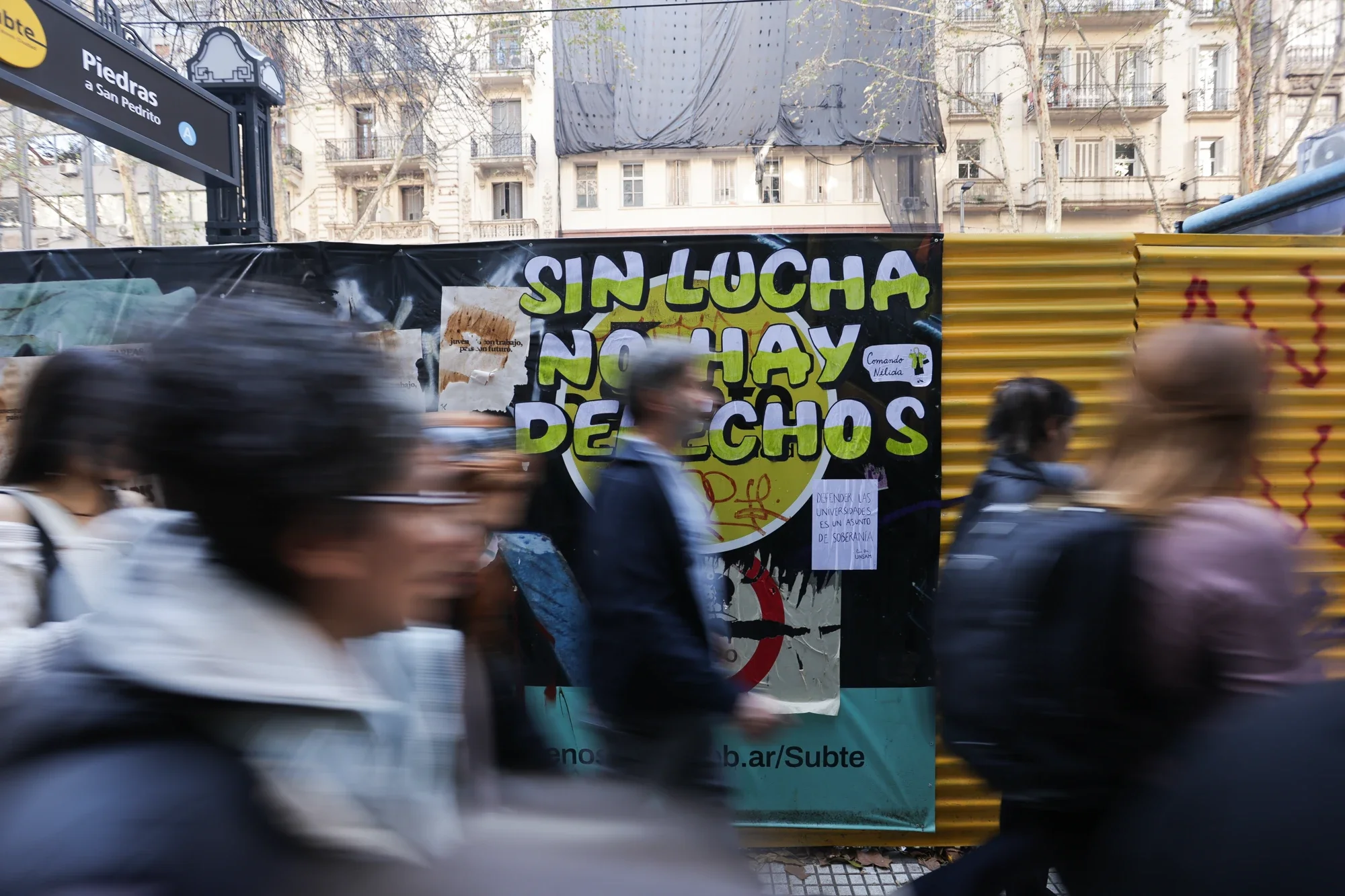
A poster that says “There are no rights without struggle” is pasted on a wall as demonstrators in a rally for public health and education walk past on May 12, 2026 in Buenos Aires. Photo © Susi Maresca.
Opinion • Valen Iricibar • July 16, 2026 • Leer en castellano
To say that 2026 has hit Abya Yala hard isn’t news—by March we were already talking about a region caught in the maelstrom of war. But that doesn’t lessen the blows or their effects. Rampant militarism, daily repression, backsliding and struggle. Always struggle.
We’re being relentlessly hit by unprecedented events, and here at Ojalá, we wanted to provide a space to breathe, acknowledge what’s taking place, and reflect on the processes we are witnessing.
Death by Donroe Doctrine
January 3 is a date that lives in infamy in Abya Yala after the United States bombed Caracas and forcefully removed Nicolás Maduro and his partner Cilia Flores.
The dispatch we received on International Working Women’s Day (8M) from Caracas stands out in our coverage. It paints a portrait of a community that is grieving deeply.
Even on that day, which is about collective liberation, the Venezuelan transfeminist movement had to struggle against historic repression and censure that weren’t erased by the bombs they survived. Regardless, the fight continues.
The shock of the attack on Venezuela somehow ended up buried on the global stage despite its significant repercussions. Among them, the painful exacerbation of the ongoing crisis in Cuba due to being cut off from Venezuelan oil—a resource increasingly being offered up to foreign interests through a new reform.
Cuba was already experiencing a polycrisis before Donald Trump’s invasion of Venezuela, with dehumanizing narratives at a local level designed ot deny preexisting poverty. The situation went off the rails following the cruel imposition of new tariffs at the end of January. The lights are still off and basic services have been cut to the bone as Cubans just try to survive.
Amid the ongoing, forced collapse that threatens all of Abya Yala, we were winded by the news of the double earthquake that struck Venezuela on June 24.
Now may not be the time for quiet, measured reflection about Venezuela; instead it is the time for rescue, reconstruction and active solidarity. We know that all struggles are interconnected and want to reaffirm our support for our loved ones, friends and compañeres on the ground and in the diaspora.
Our colleagues at Ceiba, Periodismo con memoria are hosting an ongoing fundraiser for grassroots rescue work: if you can and haven’t already, please consider donating.
Hotly contested far right advance
The advance of the far right was bolstered this year by electoral victories in Perú and Colombia. In both cases, the races were remarkably close.
The arrival of Keiko Fujimori to Perú’s presidency is a concerning consolidation of her movement’s power in the country despite the violent legacy of her father, the dictator Alberto Fujimori.
Fujimorismo and its allies already held power in Congress, and her previous presidential bids revealed how her law-and-order rhetoric had consistently held sway with certain parts of the electorate.
And at the end of June, Abelardo de la Espriella clinched the presidential mandate in Colombia, winning the runoff election by a historically narrow margin. The vote revealed divisions and inequality both in competing political visions and ongoing structural barriers, highlighting historical debts that have yet to be settled.
Fujimori's and de la Espriella’s ascensions to power weigh on us, but once again, when we turn to the people on the ground, we see mobilization and ideas for moving forward. In Perú, they are hitting the streets and engaging in memory work to prevent people from forgetting the real dangers of Fujimorismo. And in Colombia, they are fighting for a grassroots vision of the country despite the electoral hangover.
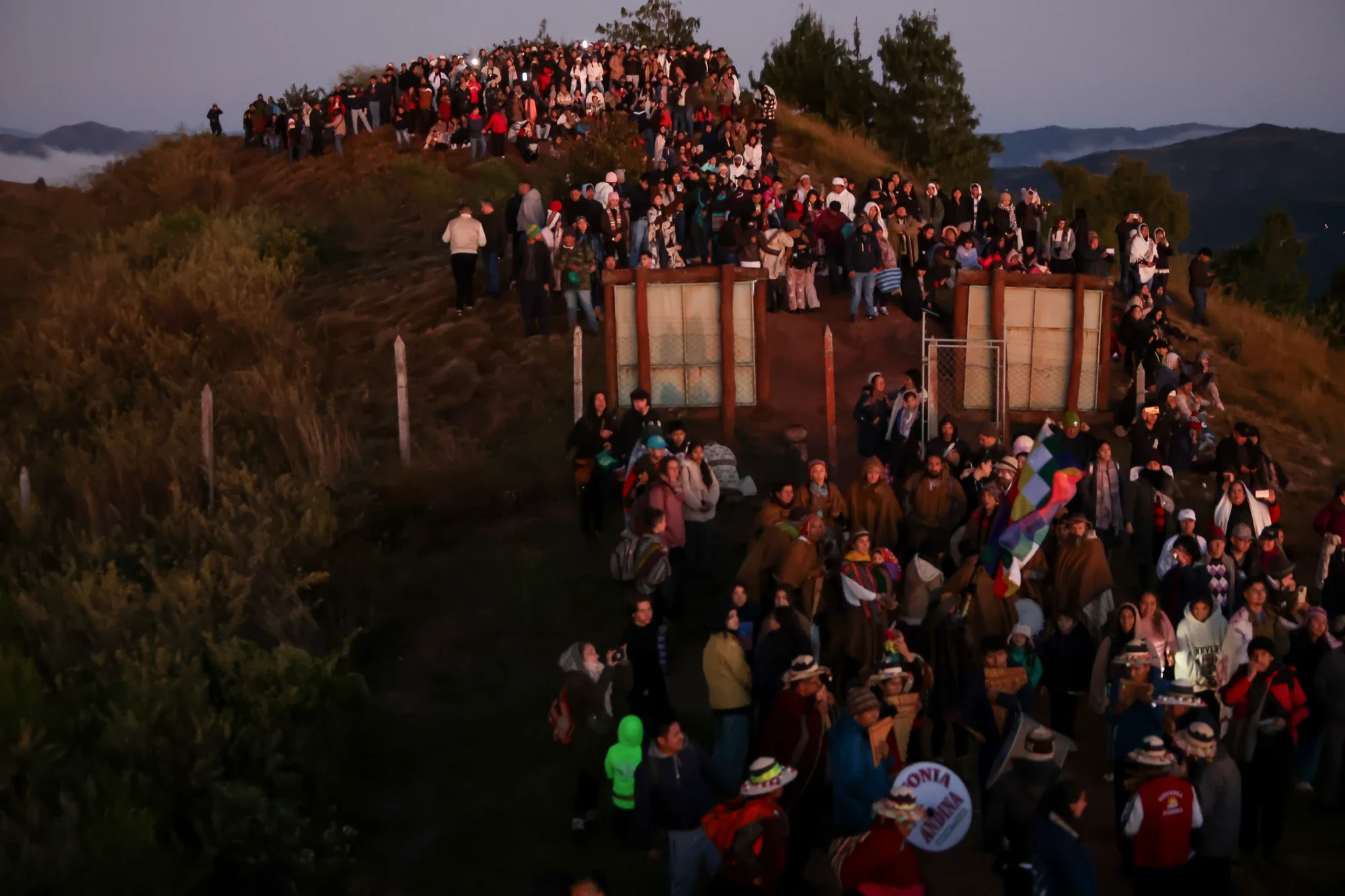
People celebrate Inti Raymi, the Andean New Year, in the midst of the uprisings in Bolivia in Santa Cruz de la Sierra on June 21, 2026. Photo © Susi Maresca.
Networks and knots
These attacks haven’t been launched in a vacuum, and as we’ve seen in the stories we’ve shared on Ojalá, there is a wide tapestry of resistance in the region, although it can be scattered and disjointed.
In Argentina, where people refuse to yield under Javier Milei, we have covered the popular response in two registers. On the one hand, mass demonstrations happen nationwide, from the established 8M and Ni Una Menos protests to the second-ever Anti-Fascist and Anti-Racist LGBTIQNB+ Pride March.
We also covered the repeated widespread efforts to defend the country’s landmark Glacier Law. This outpouring of organizing shook the country in multiple ways—including by bringing the largest class-action lawsuit in Argentine history.
On the other hand, we’ve published stories of localized and “micro” resistance in Argentina, although their smaller scale makes them no less profound. The efforts by rural women in Córdoba to rethink the energy transition and by a local radiotheatre in Puel Mapu to reaffirm Mapuche identity showcase vital collective efforts that confront decades of repression, dispossession, and extractivism.
Meanwhile, the blockades in Bolivia presented us with a complex clash in which many layers of resistance came into play at once. Earlier this year we covered how despite his campaign promises, President Rodrigo Paz opted for entrenching neoliberal policies and continued repression in favor of extractivism.
A widespread popular outcry, with marches spearheaded by Indigenous and rural organizations, managed to repeal Law 1720, which sought to weaken historic protections to collectively held small rural properties. Paz’s position seemed increasingly untenable following weeks of blockades, and we could see glimmers of hope in the diverse whirlwind of mobilized sectors.
After weeks of shortages, repression and the declaration of a state of emergency, the blockades were lifted amid incredibly tough questions and a lack of coordination among the grassroots. How to reorganize a dismantled network of organized resistance? How to open dialogue among different forces to address overlapping crises head-on?
There may not be neat answers, but these are questions that we’re grappling with as a region.
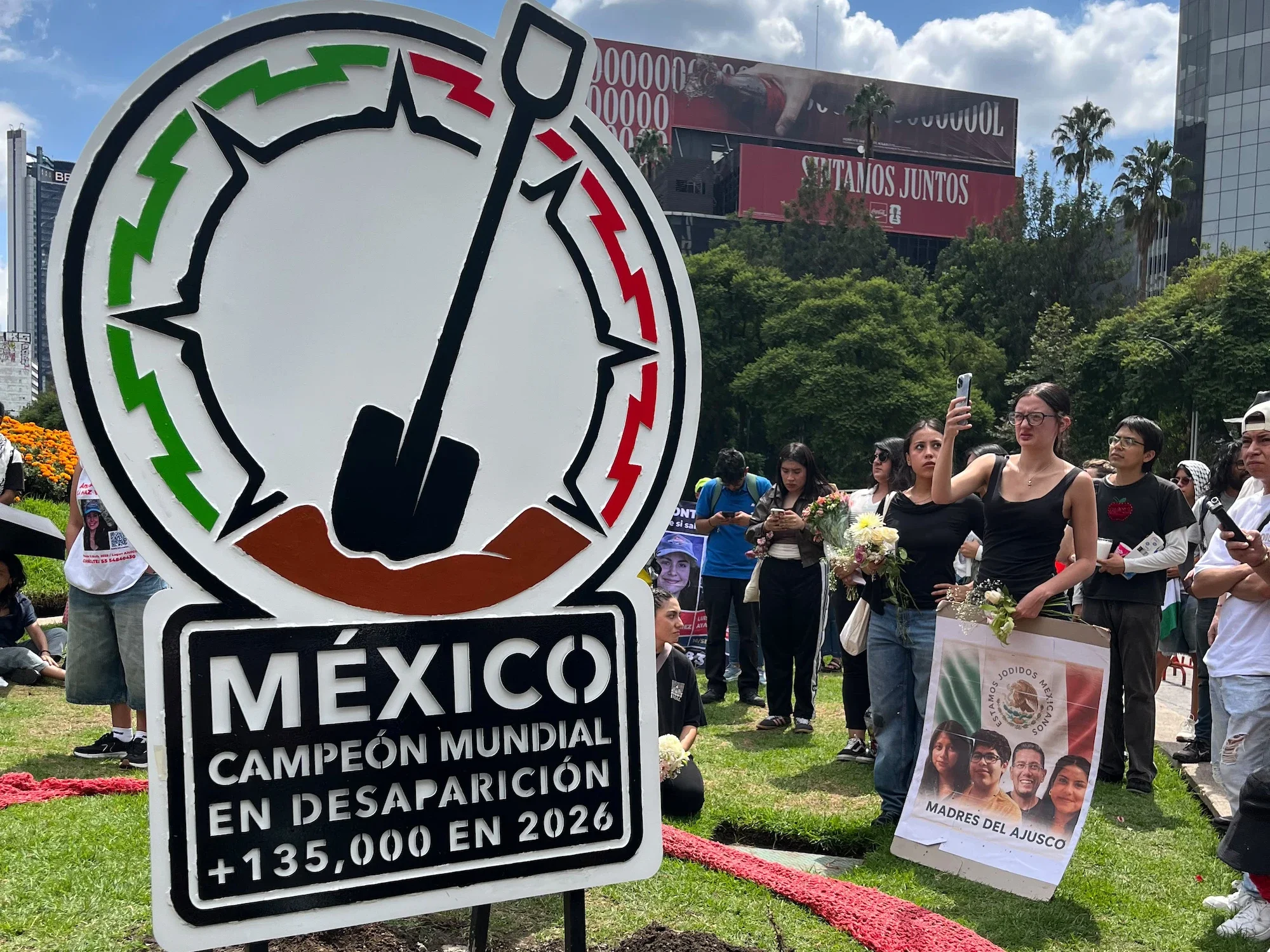
Relatives of Ana Amelí García Gámez, who was disappeared last year, and search groups installed an anti-monument at the Angel of Independence roundabout in Mexico City that reads “Mexico, world champion in disappearances: +135,000 in 2026” on July 12, 2026. Photo © Jessica Mejia.
Poisoned chalice
The World Cup is yet another layer of distraction—and for many, much needed collective joy—we’re currently immersed in. This edition has been marked by intense condemnation of FIFA’s grotesque corruption and of the anti-immigrant policies in the US, one of this year’s host countries alongside Mexico and Canada.
Beneath the dominant narratives, we covered how a variety of movements and organizations—from sex workers to striking teachers to families of the disappeared— fought tooth and nail against a façade of squeaky-clean nationalism in the stadiums.
Before the first whistle blew, we explored protests in Mexico City and Guadalajara against the strangling of public spaces, the onslaught of gentrification, and the increased militarization.
Organizers, victims of violence and workers built alliances and joined demands, from searching families to thousands of teachers on strike. Again and again they filled the streets to raise awareness of their struggles while the eyes of the world were on Mexico.
As an Argentine, I am well aware that football goes way beyond goals, and carries strong sociopolitical implications. If I could make one heartfelt request: when addressing racism in Argentina, please center the voices of Afro-Argentine, Indigenous, and migrant communities. Argentina is not white.
Repeating narratives that present it as such is dehumanizing and emboldens the racism of a country that has specifically, on a state level, sought to erase its true roots and diversity. And now, it’s happening under a government that consistently endangers the most vulnerable, as our coverage has shown.
The World Cup reveals with clarity the many realities that lie beneath the surface of nationalist discourse and outsider views that simplify and flatten them. Our work exploring those struggles will continue beyond the final match.
